Jackson R Phillips
Scientist, Educator, and Photographer
Hi and welcome, I’m Jack. If you’re here, you’re probably either interested in my research or my photography. If you’re looking for photos of rare tadpole specimens, look here. If you’re after wildlife shots, look here.
If you don’t know me, I’m an evolutionary biologist with a special interest and expertise in tadpoles (larval frogs). I use tadpoles as models for understanding how the way you grow up (development) influences what you can evolve into.
If you’re interested in my research into bubble-sucking tadpoles, lungless tadpoles, beakless tadpoles, suctorial tadpoles, or any of my other projects, please reach out.

Research
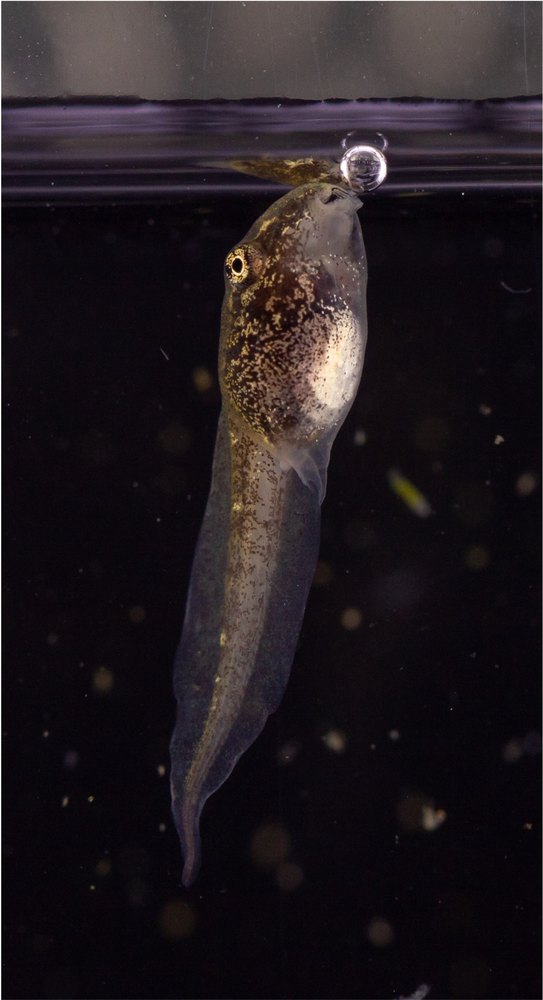 Do tadpoles even have lungs? Most tadpoles start breathing air within days of hatching, long before they grow legs. At the size they’re doing it, though, breathing means fighting the surface of the water itself. Read on to see how they get around that, and what “bubble sucking” looks like in action.
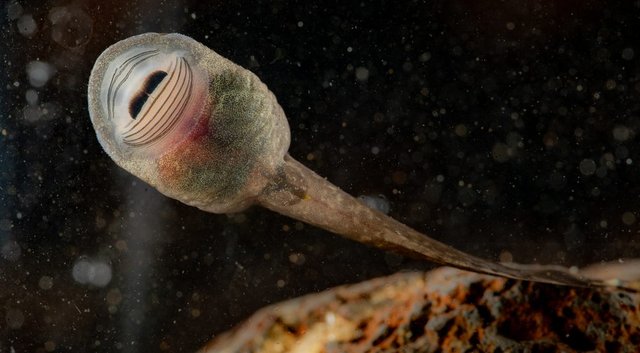 Why lose a lung? While the vast majority of tadpoles have lungs and breathe air, some definitely do not. Read on to learn about the tadpoles that give up their lungs for a better chance at not getting swept away. Bonus: learn what the word “gastromyzophorous” means!
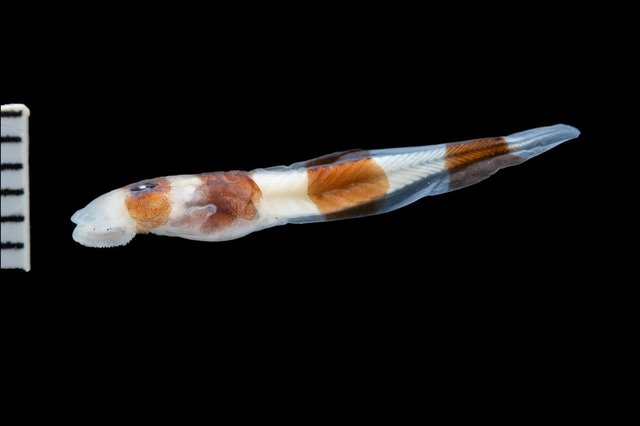 Lost and found in the museum No, not like the Ben Stiller movie. One of my favorite parts of being a scientist is being around natural history museums. Read on to hear the story of how an unidentified tadpole turned into a new Genus of frogs.
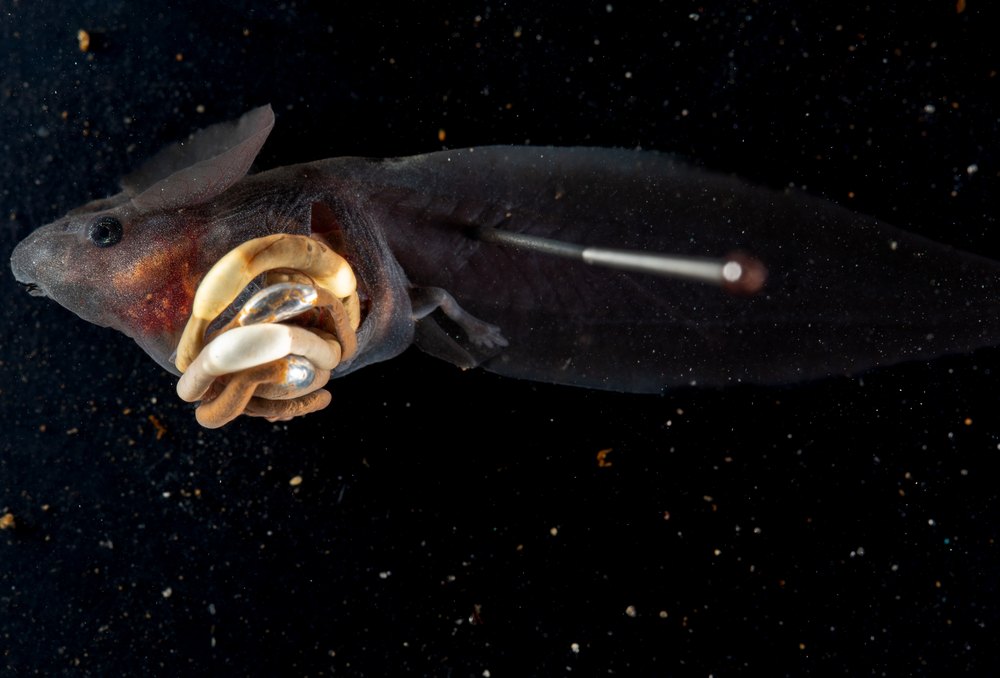 Bubble guts Want to hear about the latest kind of air breathing? Gut-breathing is all the rage, I hear.